Your Nervous System Is Always Listening
Stress is not only a thought or an emotion. It is also a physical response, and the body can remain on alert long after a demanding moment has passed.
By Lauren Boehner
Stress begins as protection
Your nervous system is constantly receiving information. It notices the obvious things, such as a sudden fright or an urgent deadline, but it also responds to quieter forms of pressure: a crowded calendar, constant notifications, poor sleep, financial worry, conflict, intense training or the feeling that you must always be available. In the short term, the stress response is useful. The body becomes more alert and ready to act. Heart rate, blood pressure and blood glucose can rise as resources are directed toward meeting the immediate demand. This is not a flaw in the body; it is a protective system doing its job. The challenge begins when the demand does not truly end. One deadline becomes the next. The phone remains within reach. Rest happens while the mind is still working. Over time, being activated can begin to feel normal, even when it is not comfortable.
The body may speak before the mind does
Not everyone experiences stress as a clear feeling of panic. Sometimes it appears as muscle tension, headaches, disrupted sleep, digestive discomfort, irritability, difficulty concentrating or a sense of being tired and wired at the same time. These experiences can have many causes, so they should not be self-diagnosed, but they are worth noticing rather than dismissing. A useful question is not only, ‘Am I stressed?’ but also, ‘What has my body been adapting to?’ The answer may include work, relationships, illness, grief, exercise, travel or simply too little unstructured time.
Regulation is flexibility
A regulated nervous system is not one that remains calm every minute of the day. Healthy regulation is the ability to mobilise when something requires energy and then return toward rest when the demand has passed. The goal is flexibility, not permanent stillness. That return can be supported by ordinary, repeatable behaviours: consistent sleep and wake times, regular meals, movement that matches your current capacity, time outdoors, supportive relationships, slow breathing and genuine breaks from stimulation. No single practice needs to be perfect. What matters is giving the body repeated signals that it is allowed to come down from high alert.
Create conditions for recovery
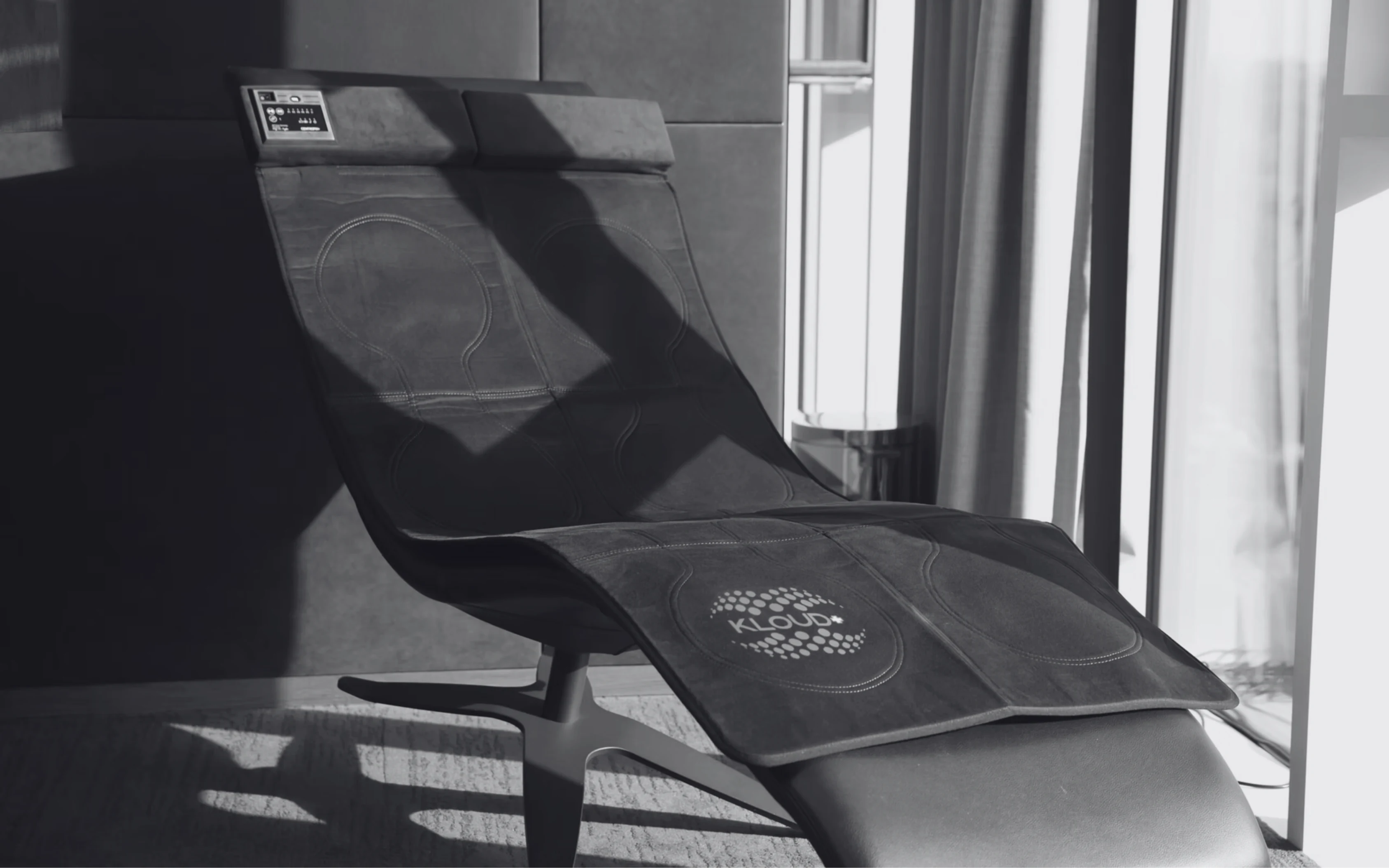
At Flow Frequency, we believe recovery should be built into life rather than reserved for the point at which you can no longer continue. A quiet KLOUD PEMA session may be used as one part of a broader recovery routine, alongside appropriate medical care, sleep, nutrition, movement and stress-management practices. If stress or anxiety is persistent, interferes with daily life or feels difficult to manage, speak with a qualified healthcare or mental-health professional. Supportive wellness practices can complement care, but they should not replace it. Your nervous system is always listening. The encouraging part is that small, consistent choices can give it something different to hear.